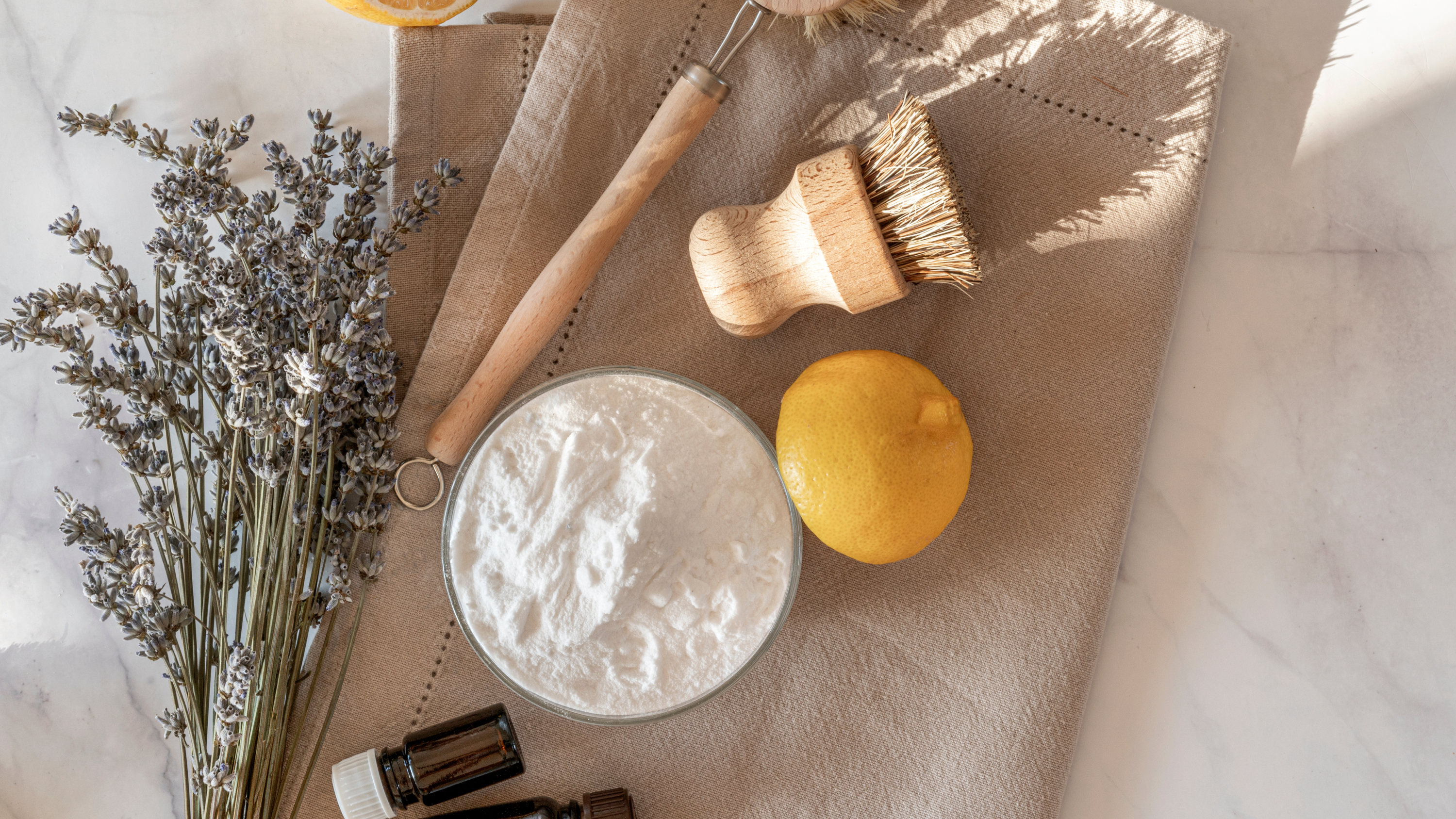
Learn five simple non-toxic swaps every homemaker can make to create a cleaner, healthier, and more intentional home.
A Gentle Start Toward a Healthier Home
As homemakers, we’re the heartbeat of our homes — the ones who nurture, create, and make ordinary days feel special. Every product we bring into our home plays a part in shaping that atmosphere – for better or for worse. So often, we don’t realize that many of the everyday products we use — candles, cleaners, soaps — quietly fill our homes with ingredients that don’t serve our families well.
The good news? You don’t have to overhaul your whole home to begin making it a safer, healthier space. Small, faithful changes — one swap at a time — can make a world of difference.
These five non-toxic swaps are simple enough to start today and meaningful enough to bless your family for years to come.
1. Swap Conventional Candles for Beeswax Candles
Few things make a home feel as peaceful as candlelight — but most candles are made with paraffin wax and synthetic fragrances that release toxins as they burn (sorry Bath & Body Works). Paraffin is a byproduct of petroleum refining – essentially, it’s made from leftover crude oil. It’s not something most of us want to burn in the air our families breathe.1 As a result, paraffin candles can release chemicals like toluene and benzene – both linked to respiratory irritation and headaches – while beeswax burns clean and even helps purify the air.
Beeswax candles are a beautiful, old-fashioned alternative. They emit negative ions that help neutralize dust, mold, and other pollutants. 2 They burn longer and fill your home with a subtle, natural honey scent.
Soy candles are also a fine alternative as they burn cleaner than paraffin, but most soy crops are heavily treated with pesticides (unless organic), and soy candles are blended with paraffin to improve burn performance. If you choose soy, look for 100% soy, organic, and phthalate-free fragrance oils.
2. Swap Air Fresheners for Essential Oils or Plants
Store-bought air fresheners and sprays may promise a “fresh” home — but most contain artificial fragrances and hormone-disrupting chemicals. Synthetic fragrances often contain phthalates, which can disrupt hormones and trigger allergies, while essential oils and plants promote cleaner indoor air and emotional calm. 3
Instead, try a diffuser with pure essential oils or add a few plants around your living spaces. Lavender, eucalyptus, and citrus oils are wonderful natural purifiers — and houseplants4 like snake plants, peace lilies, or pothos help clean the air while adding life and beauty. There’s something special about walking into a room that smells faintly of lavender or citrus instead of artificial perfume – it feels alive.
3. Swap Harsh Cleaners for Simple, Natural Solutions
You don’t need to be a chemist to keep a clean home. The truth is, some of the best cleaners are made from simple pantry staples — white vinegar, baking soda, citrus peels, and essential oils.
Start with a basic all-purpose spray:
- 1 part vinegar
- 1 part water
- Lemon peel (I use 4 large lemons for 2 spray bottles)
- a few drops of lemon essential oil
Many commercial cleaners contain ammonia and synthetic solvents that can irritate the lungs and skin5 – simple homemade solutions keep your air and surfaces safe without sacrificing effectiveness.
It’s safe, affordable, and leaves your home smelling fresh — without the harsh fumes.
Stay tuned — I’ll be sharing my favorite homemade cleaner recipes soon!
4. Swap Plastic Containers for Glass or Stainless Steel
Plastics can leach chemicals into food — especially when heated. Making the move to glass jars or stainless steel containers is a simple yet powerful way to care for your family’s health.
Plus, there’s something deeply satisfying about lining up neatly labeled glass jars filled with flour, oats, or sourdough starter. Beauty and function in one!
Plastic containers can release microplastics and BPA, which can interfere with hormones and may contribute to long-term health concerns6, while glass and stainless steel keep food pure and toxin-free.
Start with what you already have — save old mason jars or reuse glass jars from pasta sauces. Little steps add up beautifully over time.
5. Swap Conventional Laundry Products for Natural Alternatives
Laundry touches every member of your family — literally. Many commercial detergents and softeners leave behind chemical residues that irritate skin or trigger allergies.
Switch to a natural detergent (look for ones labeled “free & clear”) and use wool dryer balls instead of fabric softeners. You can even add a few drops of essential oil to the dryer balls for a light, fresh scent.
Synthetic fragrances and optical brighteners in laundry products can aggravate sensitive skin and respiratory systems7, while natural formulas protect both your family and your fabrics.
Choosing cleaner laundry products isn’t just better for your family – it’s a way of stewarding what you’ve been given, from your loved ones to the linens that serve them.
Little Steps, Lasting Peace
Remember, the goal isn’t perfection — it’s peace. You don’t have to replace everything overnight. Start with one swap, see how it feels, and let that small victory encourage your next step.
As you begin creating a non-toxic home, you’re not just cutting chemicals — you’re cultivating an atmosphere of health, care, and love. With caring for our families and the spaces we’ve been given, we glorify God through the quiet work of our hands.
“She looks well to the ways of her household, and does not eat the bread of idleness.” — Proverbs 31:27
You’re doing beautiful work, homemaker. Keep going — one intentional choice at a time.
References & Sources
- Paraffin Wax Candles and Health Risks – South Carolina State University study on paraffin wax emissions: Happy Wax Blog
- Beeswax Candles & Air Purification – Analysis on negative ions and beeswax candles: My Chemical Free House
- Synthetic Fragrances & Health Risks – Phthalates and fragrance chemicals: National Library of Medicine
- Snake Plants & Air Purification – NASA Clean Air Study on houseplants: EasyPlant Blog
- Harsh Cleaners & Respiratory Irritation – Ammonia exposure can irritate lungs and skin: Medical News Today
- Plastics and Health Risks – BPA, phthalates, and microplastics: University of California, San Francisco
- Laundry Products & Skin/Respiratory Health – Chemical irritants in detergents and fragrances: University of Rochester Medical Center

Leave a Reply